
Description
Whey Protein Concentrate 80%
It dissolves well in water, making it ideal for use in instant drink products or ready-to-mix beverages. It supports lean muscle mass development and is well-suited for individuals engaging in exercise for muscle building or weight management.
| Subject | Description |
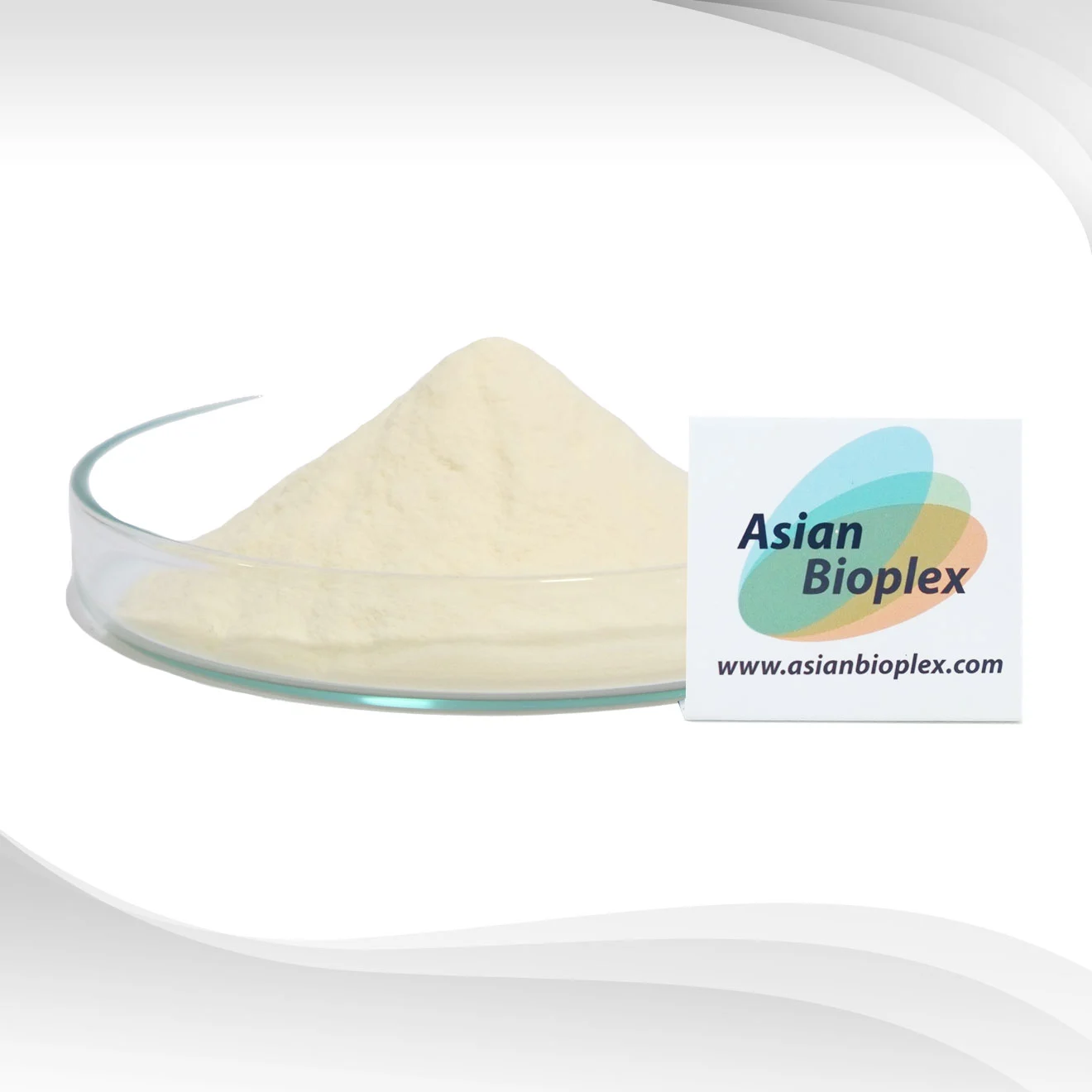
| Appearance | Cream colored powder |
| Flavor | A bland flavor profile. It is homogeneous, free flowing and non-caking. |
| % Moisture | Max 8.00% |
| Solubility | Yes |
| Tested Active Ingredients | Protein (dry basis) Min 80% |
| Fat | Max 8.00% |
| Use / Dosage | >คลิกเพื่อดูข้อมูล อย. (FDA) |
| Applications | Food supplement, Beverage, Herbal drinks |
|
Special properties
|
Physical performance |
| Sports supplements | |
| Others Name | N/A |
| Storage | Keep closed, Dry, Dark and Cool place |
| Shelf-Life | 24 months after manufacturing date |
| Quality Assurance | Guarantee specification |
| Safety Specification | Under FDA standard of Heavy metals, Microorganism and Pesticides controlling |
| Product note | This product is food ingredient, not instant food |
| Caution notice | N/A |
Whey Protein Concentrate 80%
Whey protein is the primary protein component found in cow’s milk. It naturally occurs as part of the cheesemaking or yogurt production process. When milk coagulates, whey separates as a liquid and contains many of the same components as milk. Through various processing methods, fats and minerals are partially removed, resulting in a more concentrated protein form.
There are several types of whey protein found in dietary supplements. The two most commonly used forms in the market are classified by their nutritional composition:
Whey Protein Isolate (WPI):
Whey Protein Isolate is processed using a more refined method compared to Whey Protein Concentrate. This leads to a higher protein content—typically over 90%—with significantly lower levels of carbohydrates and fats. WPI also contains minimal lactose, making it suitable for individuals who are lactose intolerant due to lactase deficiency. It is particularly beneficial for athletes and those aiming to build muscle mass, thanks to its high protein concentration, low fat content, and efficient absorption. Due to its purity and advanced processing, WPI generally comes at a higher cost than other forms.
Whey Protein Concentrate (WPC):
Whey Protein Concentrate typically contains around 80% protein, along with higher amounts of carbohydrates, fats, and lactose compared to WPI. It is not recommended for individuals with lactose intolerance. WPC is widely available on the market due to its more economical cost, making it a popular choice for general use.
Nutritional Comparison Between WPI and WPC
Both Whey Protein Isolate (WPI) and Whey Protein Concentrate (WPC) are excellent sources of high-quality protein. They are rich in essential amino acids and contain bioactive proteins that help strengthen the immune system, support muscle development, and increase lean muscle mass. However, their nutritional compositions differ as outlined below:
| Detail | Whey protein isolate | Whey protein concentrate |
| Processing | More | Less |
| Protein | 23 grams | 18 grams |
| Carbs | 1 gram | 3.5 grams |
| Fat | 0 grams | 1.5 grams |
| Lactose | Up to 1 gram | Up to 3.5 grams |
| Cost | Higher | Lower |
Product Safety and Warranty Information
- The product is manufactured through a certified process by leading organizations and has certification for industry standards that can be referenced.
- It has undergone food safety testing based on standards such as microbe and heavy metal testing, as well as contamination screening.
- The product is a raw material for industrial use, not a finished product. Users must have the knowledge and appropriate tools for using the raw material.
- The product is warranted according to the specifications, please refer to the terms and conditions for details.